
Understanding the nuances of gambling A complete overview
Understanding the nuances of gambling A complete overview
The History of Gambling
The practice of gambling dates back thousands of years, with evidence found in ancient civilizations such as China, Rome, and Egypt. Initially, gambling was associated with games of chance that often involved betting on the outcomes of events like dice games or animal fights. Over the centuries, various forms of gambling evolved, influenced by cultural and societal changes, leading to the diverse range of gambling activities we see today. For example, many people now enjoy the best online casino australia from the comfort of their own homes.
During the Middle Ages, gambling was often frowned upon by the Church, yet it persisted in various forms. The establishment of official gambling houses in the 17th century marked a turning point, as governments began to regulate and tax these activities. This shift laid the groundwork for modern casinos and the legal frameworks that govern gambling today.
The Psychology Behind Gambling
Gambling is not merely a game of luck; it involves complex psychological elements. Many gamblers are driven by the thrill of taking risks and the potential for significant rewards. The anticipation of winning can trigger the release of dopamine in the brain, creating a sense of euphoria that reinforces the behavior.
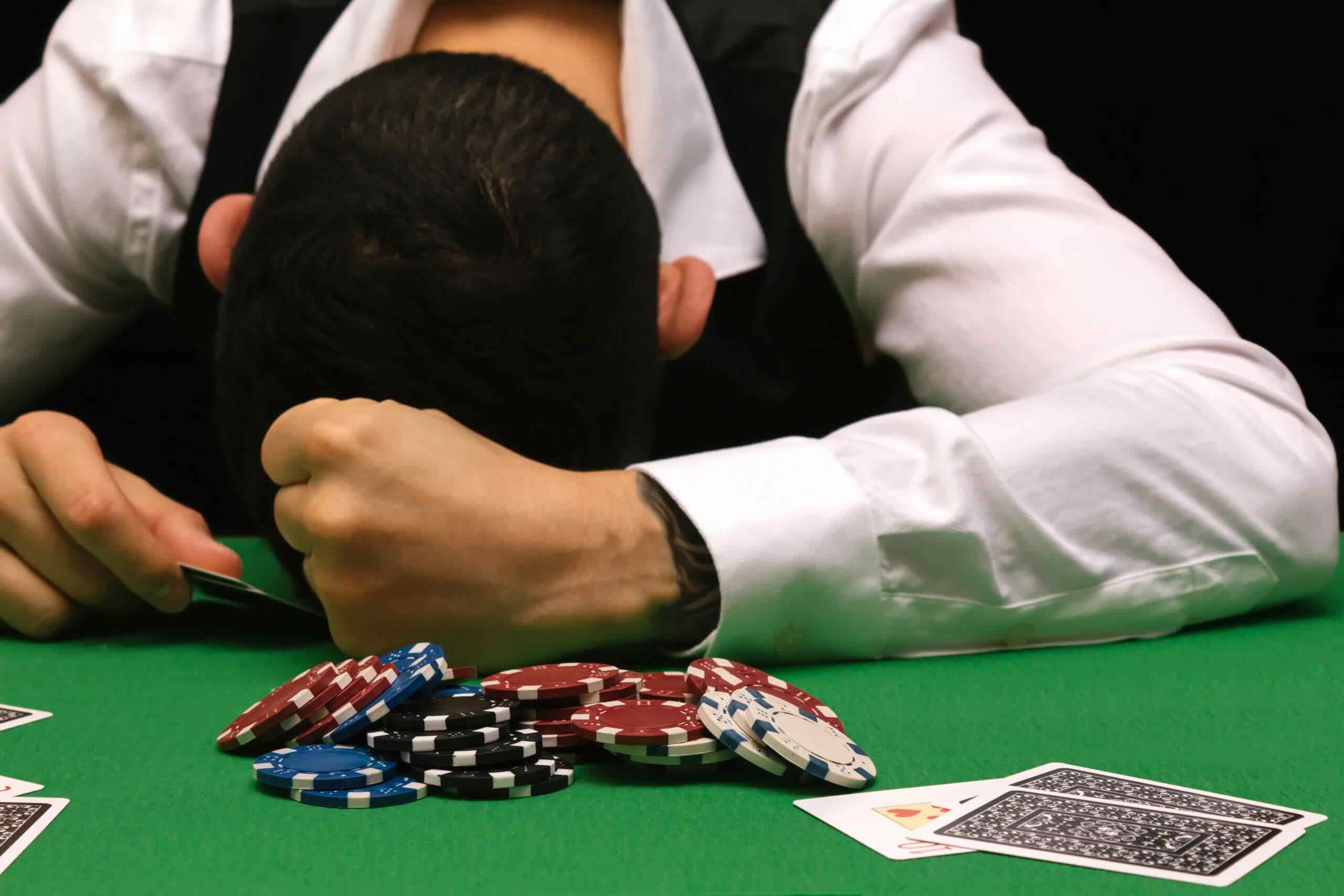
However, this excitement can sometimes lead to problematic gambling behaviors. Understanding the psychological aspects of gambling, such as the concepts of loss aversion and the illusion of control, is crucial for both players and regulators to promote responsible gambling practices and mitigate the risk of addiction.
Common Gambling Myths Debunked
Several myths surround the world of gambling, often leading to misconceptions. One prevalent myth is that certain games are “due” for a win after a losing streak. In reality, most gambling games, especially those based on chance, operate independently of previous outcomes. Understanding the odds and recognizing that each game is a separate event can help players make more informed decisions.
Another common myth is that gambling can be an easy way to make money. While some individuals may experience short-term success, the reality is that the odds are often stacked against the player. Casinos and betting platforms are designed to profit over the long run, making it essential for gamblers to approach these activities with caution and a realistic mindset.
The Impact of Technology on Gambling
The rise of technology has transformed the gambling landscape dramatically. Online casinos and mobile betting apps have made gambling more accessible than ever, allowing players to engage in their favorite games from the comfort of their homes. This convenience has opened doors for a broader audience, but it also raises questions about responsible gambling and potential addiction.
Additionally, advancements such as live dealer games and virtual reality experiences are redefining how players interact with gambling. While technology enhances the experience, it is vital for players to remain aware of the risks associated with online gambling, including the potential for overspending and the difficulty in recognizing the signs of gambling addiction.

Conclusion: Responsible Gambling and Resources
Understanding the nuances of gambling is crucial for anyone looking to engage in this complex activity. With the right knowledge, players can navigate the intricacies of gambling while mitigating risks. It is essential to recognize the signs of addiction and seek help if needed, as various resources are available to support individuals affected by gambling-related issues.
For more information and support regarding responsible gambling, our website provides a wealth of resources. Whether you’re a seasoned player or a newcomer, staying informed about the realities of gambling can lead to a safer and more enjoyable experience.