
Yadavindra Gardens, Pinjore Garden Pinjore Haryana
Yadavindra Gardens, Pinjore Garden Pinjore Haryana
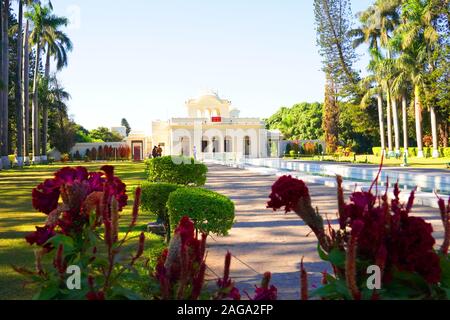
As you walk through those gardens, saunter through that stretch of land entrenched with lavish fountains, dotted with Cypress and other varieties of plants, you shall be able to experience first-hand what it felt to be a king or queen. Whether you want to delve into the grandeur of Mughal gardens or enjoy a fun day at the water park, Pinjore Garden promises a memorable experience for all age groups. Spend a few hours in this colorful garden and find yourself transported to the time of royal Rajas, palaces, and courtesans. Pinjore Gardens are an impressive example of the terrace gardens in India. The gardens are also known as the Yadavindra Gardens to honor the work and legacy of the ruler.
Yadavindra Gardens, Pinjore
It is a 2 day spring season festival of Vaisakhi held in April every year with regional food, traditional handlooms and handicrafts on offer. The lowermost terrace has an open-air theatre, which was designed in form of disc. Splendid Fountains and beautiful tree groves are laid in the next terrace.
Things to do at Pinjore Garden
A third legend says that Nawab Fidai Khan built the garden for his beloved wife Noor Jahan, who was also the wife of Emperor Jahangir. One legend says that the garden was built by the Pandava brothers during their exile in the Mahabharata epic. They also renamed the garden as Yadavindra Gardens, after the last ruler of Patiala. If yes, then you should definitely visit Pinjore Gardens, a historical and cultural paradise in Chandigarh. None of our visitors shared their reviews on Yadavindra Gardens yet.
Various competitions are held during the festival like drawing, rangoli, folk dance, and Mehendi competition. The visitors are also entertained with a plethora of evening performances including dance, music, and drama. The Pinjore Heritage Festival is celebrated every year in December as a tribute to the rich legacy of this garden. The next two levels lie dotted with lush green trees and sparkling fountains.
- Known for its stunning Mughal-style architecture, lush greenery, and serene atmosphere, the gardens offer a perfect getaway for tourists seeking a peaceful escape from the hustle and bustle of city life.
- Come evening, the garden transforms into an illuminated spectacle.
- Chandigarh City’s Leading Infotainment and Lifestyle Media.
- The garden remains open for all days of the week from 7 am to 10 pm.
This festival celebrates the rich cultural heritage of Pinjore and showcases traditional music, dance, crafts, and cuisine. Today, Pinjore Garden stands as a symbol of India’s rich cultural heritage and a testament to the timeless beauty of Mughal architecture. The sound of water cascading through the channels adds to the tranquility and charm of the garden. The garden’s water features are fed by natural springs and are meticulously maintained to ensure a continuous flow.
He also added some modern amenities and attractions to the garden, such as a zoo, a nursery, and a museum. The most notable among them was Maharaja Yadavindra Singh, who gave the garden its current name, after his own. It was later restored and renovated by the rulers of the Patiala Dynasty, who acquired the garden in the 19th century. However, after the decline of the Mughal Empire, the garden was neglected and damaged by the invaders and the Yadavindra Gardens elements.
It is said that this garden was for Aurangzeb’s summer retreat and that he himself had quite an input on the design of the garden. Pinjore Garden also known as the Yadavindra garden in a 17th-century garden located in Pinjore near Panchkula. The garden was originally designed as a retreat for the Mughal rulers and served as a pleasure garden during their reign. It's advisable to check the latest ticket prices and entry regulations before planning your visit. A. The ticket price for Pinjore Garden varies depending on the visitor's age and nationality. One may conveniently travel from a taxi or a bus to the garden which is approx.
After many centuries, Muzaffar Hussain, popularly known as Fidai Khan Koka, the foster brother of Aurangzeb and the man who built the Badshahi Mosque in Lahore, was appointed the governor of Punjab which included this salubrious area. It was built on the springs of Panchpura, known as the town of the Pandavas. I was a teenager then and was taken to visit the sprawling Pinjore Gardens in Panchkula district of Haryana. Organized after a collaboration with the Horticulture Department, the festival seeks to commemorate the efforts of the above department in the lives of the citizens residing in the nearby areas. In the Pinjore Garden Chandigarh, festivals take place in the area annually, with celebrations occurring on the days of the Pinjore Baisakhi Festival and Pinjore Mango Mela, which take place during June and July, adding to the increasing number of attractions in the place. The terraces end with the lowermost one caving in the figure of a disc-like structure, adding another layer of awe and wonder to the vast grandeur of the terraces.

Water plays a central role in the design of Pinjore Garden, with numerous fountains and water channels enhancing its aesthetic appeal. The first terrace, which serves as the main entrance, sets the tone with its grand gateway and Mughal-style pavilions. The garden is spread across seven descending terraces, each offering a unique view and experience. The Charbagh design divides the garden into four quadrants with walkways and water channels intersecting at the center, creating a harmonious and balanced landscape. The garden is laid out in the traditional Charbagh (four-part) style, which is symbolic of the Islamic concept of paradise.